Category : UTunnel Academy Published on 12 June 2025

A cloud firewall is a security solution that helps filter and monitor network traffic in cloud environments. If you compare them with conventional firewalls, the biggest difference is that they can work without physical hardware.

The flexibility of cloud-based solutions has made businesses adapt to it. However, the catch is that protecting sensitive data from cyber threats becomes essential.

In this scenario, the cloud firewall comes to the save by protecting cloud resources. This way, your business is ready for modern security demands without the complexity of managing on-premise security hardware.

How Does a Cloud Firewall Work?

The cloud firewall works by filtering the network traffic before it reaches cloud-based applications or services. This is done by analyzing incoming and outgoing data packets, making sure only authorized connections are allowed while blocking malicious or unauthorized access.

The working of a cloud firewall can be understood through simple scenarios:

  • Scenario 1: Let’s say User A from an organization is trying to access a cloud-based application. When they send a request, the cloud firewall checks the traffic before it reaches the application. If the request comes from a trusted source, it is allowed. However, if it is an unrecognized or blacklisted IP, the firewall blocks it immediately.
  • Scenario 2: If User B unknowingly downloads a file containing malware, the firewall in the cloud detects the suspicious data packets. It instantly prevents them from spreading to the organization's cloud network.

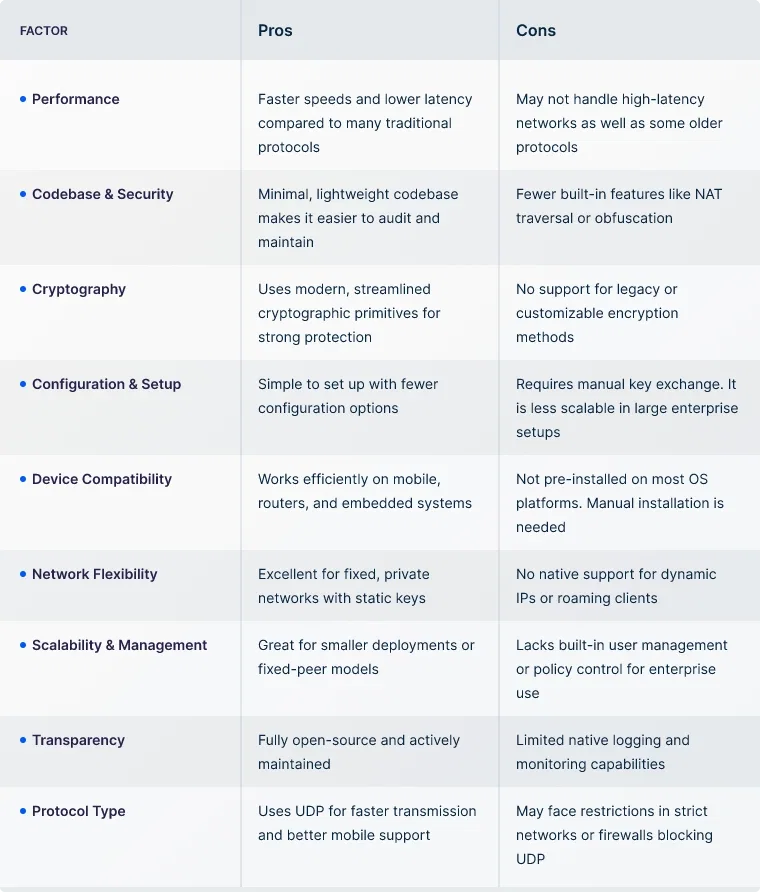
Cloud Firewall vs. Traditional Firewall

If the above scenarios don’t make it clear, you can better understand it by comparing it with the traditional firewall.
What is FWaaS?

FWaaS (Firewall as a Service) is an often related term for cloud firewall. To better understand, FWaaS provides network security as a service instead of requiring physical hardware. It works by filtering traffic before it reaches a business’s cloud resources. This way, the business is free of malware, unauthorized access, and data breaches.

It is to be made clear that FWaaS is a popular type of cloud firewall, but it is not the only one. Cloud firewalls come in different forms depending on the cloud security need. Here is a quick look at different types of cloud firewalls.

Types of Cloud Firewall

  • SaaS-Based Cloud Firewall (SECaaS) / Firewall-as-a-Service (FWaaS): These are more complete cloud-based firewall solutions. Instead of needing an on-premise hardware firewall, they can protect entire networks.
  • Next-Generation Firewall (NGFW): An advanced firewall that offers deep packet inspection, intrusion prevention, and application-layer security. The best part is that it can be deployed in both cloud and on-premise environments.
  • Public Cloud Firewall: Setting up a firewall can be difficult. Cloud service providers like AWS, Azure, or Google Cloud offer in-house firewalls that secure workloads running on their platforms. This flexibility helps businesses implement security policies without any hassle.
  • Web Application Firewall (WAF): It is more of a specific firewall with a focus on protecting web applications from cyber threats and other web-based attacks. It monitors HTTP/S traffic and blocks malicious requests.

Benefits of a Cloud Firewall for Businesses

Now that you’re aware of different types of cloud firewalls, it is important to realize the benefits they bring as a whole. This way, you can figure out if they are the right solution before using them for your business.

  • No Hardware Required: Cloud firewalls eliminate the need for physical appliances, reducing maintenance and deployment complexity.
  • Scalability and Flexibility: Businesses can scale security policies as their cloud infrastructure grows, without worrying about hardware limitations.
  • Centralized Security Management: Admins can monitor and enforce security policies across multiple cloud environments from a single dashboard.
  • Advanced Threat Protection: Features like intrusion prevention (IPS), malware filtering, and AI-driven threat detection protect against evolving cyber threats.
  • Easy Integration with Cloud Services: Cloud firewalls work with SaaS, IaaS, and hybrid cloud models, ensuring consistent security across cloud resources.
  • Improved Performance and Reduced Latency: Traffic filtering happens at the cloud level, preventing network slowdowns caused by traditional firewalls.

Cloud Firewall Implementation: Best Practices

The best cloud firewalls bring the best benefits. Hence, it is important to choose the right ones while ensuring proper cloud firewall implementation. Here are the best practices you might have to consider.

  • Realize your business security needs: Identify what needs protection, such as cloud applications, remote users, or sensitive data. The right cloud firewall should match your security requirements.
  • Choose the right cloud firewall: Not all cloud firewalls are the same. Learn about different firewalls and pick the one that fits your needs. Choosing the wrong might deplete your resources or turn unreliable.
  • Reach out to cloud firewall providers: Some cloud providers offer in-house cloud firewall solutions. If you don’t want to implement a cloud firewall manually and get over the hassle, these are recommended.
  • Set up Access Control and Security Policies: Define who can access what in your cloud environment. Use role-based access control (RBAC) and restrict unauthorized access to critical resources.
  • Enable Traffic Monitoring and Logging: Always keep track of incoming and outgoing traffic to detect suspicious activity. Most cloud firewalls offer real-time logs and threat alerts to help you respond to attacks faster.
  • Keep firewall rules updated: With ever-evolving cyber threats, your firewall settings must always be ready to face them. Hence, regularly review and update firewall rules to adapt to new security risks.
  • Test Your Firewall Regularly: Regardless of your business security state, audits and penetration testing are a must. This is to identify weaknesses before attackers can exploit them.

Get the Best Cloud Security With UTunnel

While a cloud firewall is reliable and efficient, it is just one part of a strong security strategy. Consider integrating it with Zero Trust security models, Cloud VPNs, and endpoint protection to create a multi-layered defense.

This is where UTunnel shines, offering the needed cloud security solutions backed by ZTNA (Zero Trust Network Access). Plus, the solutions are flexible and scalable, making them ideal for businesses of all sizes.

You get MeshConnect, which offers granular resource-level access control, ideal for managing cloud-based resources. On the other hand, Access Gateway (Cloud VPN) can be used as a VPN as a Service (VPNaaS) solution.